Vitality Wellness editorial · 9 October 2026 · 8 min read
Vitality Wellness
Electrolytes vs water. A better-informed hydration habit.
Functional drinks can make fluids and electrolytes convenient. Knowing when you need them — and when plain water is enough — matters more than the label.
1. Electrolyte drinks: where functional hydration fits
“Functional drink” describes a beverage with ingredients chosen for a purpose beyond flavour. In the Vitality Wellness range, that includes sodium, potassium and magnesium electrolytes, selected vitamins and, in MindAwake™, caffeine and L-theanine. A functional label is not evidence of a medical benefit: the formulation, the amounts and your circumstances are what count.
Electrolyte drinks can be useful during prolonged, demanding exercise or heavy sweating, especially in heat. They put fluid and minerals in the same bottle. For an ordinary workday or a short walk, water and regular meals usually supply what you need. [2]
Electrolytes vs water: why not just water?
Water replaces fluid, but it does not provide a meaningful replacement for the salt lost in heavy sweat. Sodium helps regulate fluid balance, so replacing both fluid and sodium can matter after large losses. However, you can also get electrolytes from food — you do not have to drink them. Plain water is not a poor hydrator, and an electrolyte drink is not automatically better for everyone. [1] [2]
- Everyday activity
- Water plus balanced meals is usually enough.
- Heavy sweating
- Consider fluid and salt replacement; check the drink’s sodium content.
- Vomiting or diarrhoea
- Ask a pharmacist about an oral rehydration solution. A functional drink is not an equivalent medical formulation. [3]
2. Dehydration symptoms: what to notice early
Dehydration happens when you lose more fluid than you take in. Common signs include thirst, a dry mouth, darker urine, urinating less often, headache, tiredness and dizziness. These symptoms have other possible causes too: feeling flat at 3PM does not prove that you need electrolytes. [3]
Repeatedly missing fluids can mean repeatedly feeling unwell. Severe dehydration can be dangerous. Research has also examined recurrent dehydration with occupational heat stress as a possible contributor to kidney injury; that is not the same as saying that every episode of mild thirst causes permanent damage. Evidence does not show that drinking this range prevents kidney disease. [3] [7]
Persistent dizziness on standing, confusion, rapid breathing, a fast heart rate or very little urine needs prompt medical attention. If you cannot keep fluids down or symptoms persist despite drinking, seek help rather than relying on another bottle. [3]
The cost of skipping fluids: letting hydration slip can leave you with preventable thirst, headaches and fatigue. Build a regular drinking habit rather than waiting for a product to rescue the day.
3. What are electrolytes — and what do they do?
Electrolytes are minerals that carry an electrical charge when dissolved in body fluids. They help regulate fluid balance, nerve signals and muscle function. Sodium, potassium, magnesium, calcium and chloride are examples. They are essential nutrients, not a special ingredient category available only in sports drinks. [2]
Salt supplies sodium; fruit, vegetables and pulses provide potassium; nuts, seeds and leafy greens provide magnesium. A varied diet matters just as much as what you drink. Adding more electrolytes does not necessarily improve hydration if your needs are already met. [2]
All three Vitality Wellness drinks contain sodium, potassium and magnesium and have a stated maximum of 3g sugar per 500ml bottle. Compare the full nutrition label, especially sodium per serving, against your needs. We are not presenting clinical evidence that these specific formulations hydrate faster than water.
4. Does coffee dehydrate you? Usually not in moderation
Caffeine can increase urine production, but the water in a cup of coffee still contributes to your daily intake. Moderate coffee consumption does not generally cause net dehydration. It would be misleading to describe ordinary coffee drinking as inevitably draining your body of water and minerals. [1] [4]
The more useful questions are how much caffeine you consume, how you sleep and whether you are eating and drinking regularly. An afternoon slump can relate to sleep, meals, workload or illness, not just fluid intake. Cutting back on late caffeine may be sensible if it affects your sleep; replacing every coffee with a caffeinated functional drink may not address that issue.
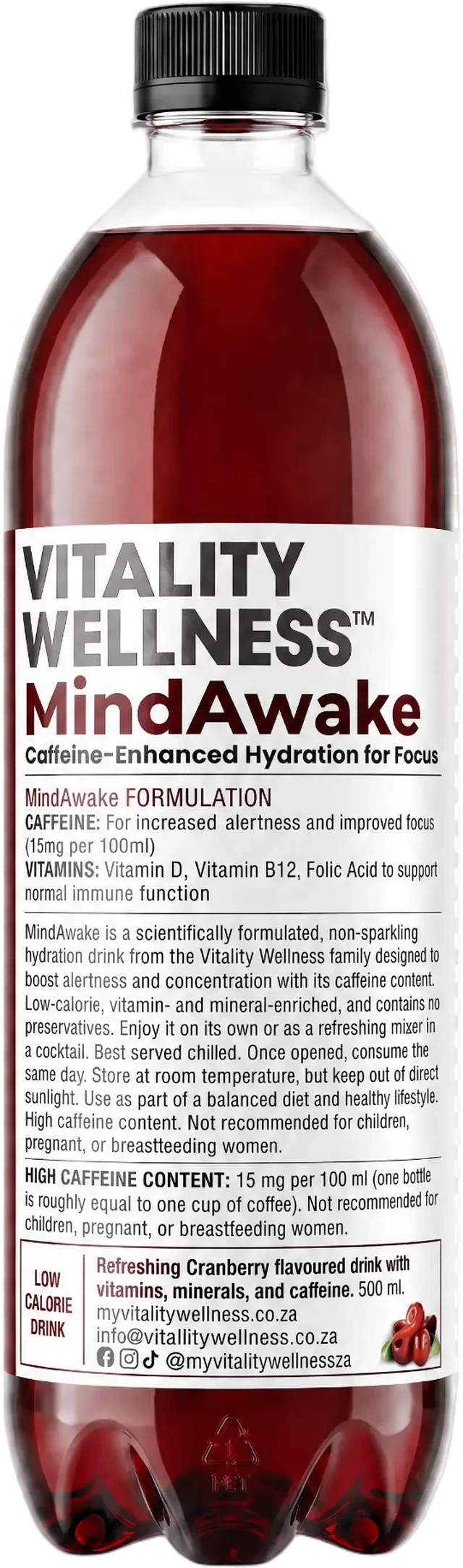
MindAwake™ is a cranberry option combining fluid, electrolytes, natural caffeine and L-theanine. Its stated caffeine content is 15mg per 100ml — 75mg in a 500ml bottle. Count it alongside coffee, tea and other caffeine sources, and avoid it close to bedtime if you are sensitive. It is not a caffeine-free hydration choice.
5. Does alcohol dehydrate you? Yes — but that is not its only effect
Alcohol suppresses vasopressin, a hormone involved in conserving water, which can increase urination and contribute to mild dehydration. Thirst, headache and fatigue can follow. Hangovers also involve disrupted sleep, stomach irritation, inflammation and other effects: replacing fluid does not address all of them. [5]
Long-term alcohol harm is not simply long-term dehydration. Alcohol can harm the liver, heart and brain and increases the risk of several cancers. Daily or regular electrolyte drinks cannot neutralise these risks, speed sobriety or make alcohol consumption safe. Drinking less is the meaningful risk-reduction step. [6]
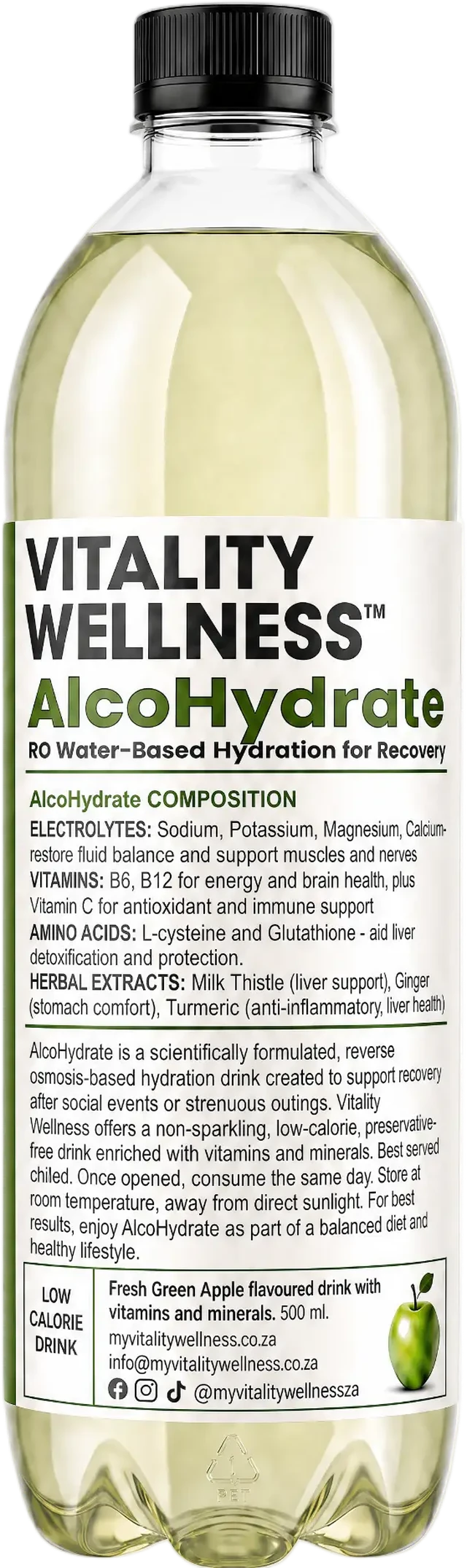
AlcoHydrate™ offers an apple-flavoured, non-alcoholic fluid option with electrolytes. Choosing a non-alcoholic drink instead of another alcoholic one can help you reduce alcohol intake while taking in fluid. That is a practical role, not evidence of liver protection or a hangover cure.
Can Vitality Wellness be part of a daily routine?
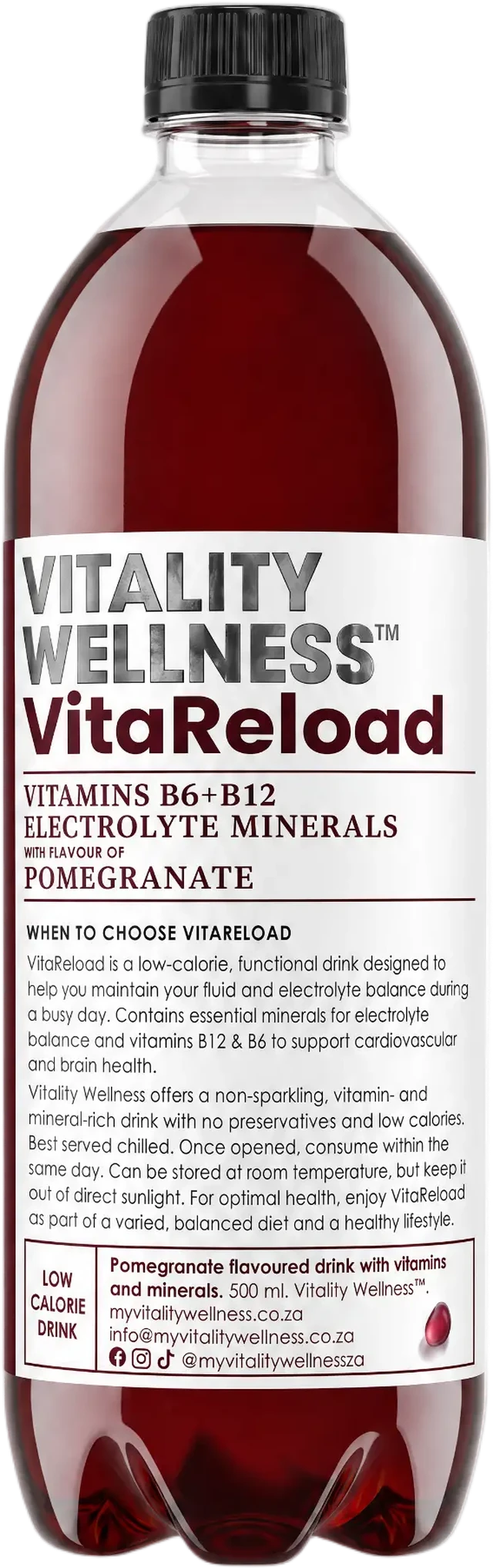
Yes, a suitable drink can contribute fluid and make a regular drinking habit easier to keep. VitaReload™ is the range’s pomegranate everyday-hydration option; AlcoHydrate™ is positioned for social hydration; MindAwake™ pairs hydration with daytime caffeine. Choose for your occasion, taste and dietary needs, not because you must have all three every day.
Regular fluid intake helps prevent dehydration caused by not drinking enough. That benefit is not unique to this brand. There is no evidence presented here that daily Vitality Wellness consumption reverses chronic dehydration, prevents organ damage or counteracts the long-term effects of alcohol or coffee. [1] [3]
- Keep water as the foundation and drink regularly through the day.
- Adjust for heat and substantial sweating; use food and drinks to replace losses.
- Check sugar, sodium, vitamins and caffeine across your whole diet.
- If you have kidney or heart disease, take medicines affecting electrolytes, or have a fluid restriction, ask your clinician before adding electrolyte drinks.
- For persistent thirst, fatigue or recurrent dehydration, get medical advice rather than assuming a nutritional drink will fix the cause.
Three drinks. Different moments.
Sources & editorial note
Written by Vitality Wellness, the brand featured in this article. Sources below support the general hydration discussion, not clinical claims for our products. Product details reflect our current product information; check the final pack label. This article has not been independently medically reviewed.